Hidden Water Leak Detection in Lynnwood
Sometimes the only clue is a bill that doesn't make sense or a meter that keeps turning. A hidden leak investigation works through the whole system until the source is found.
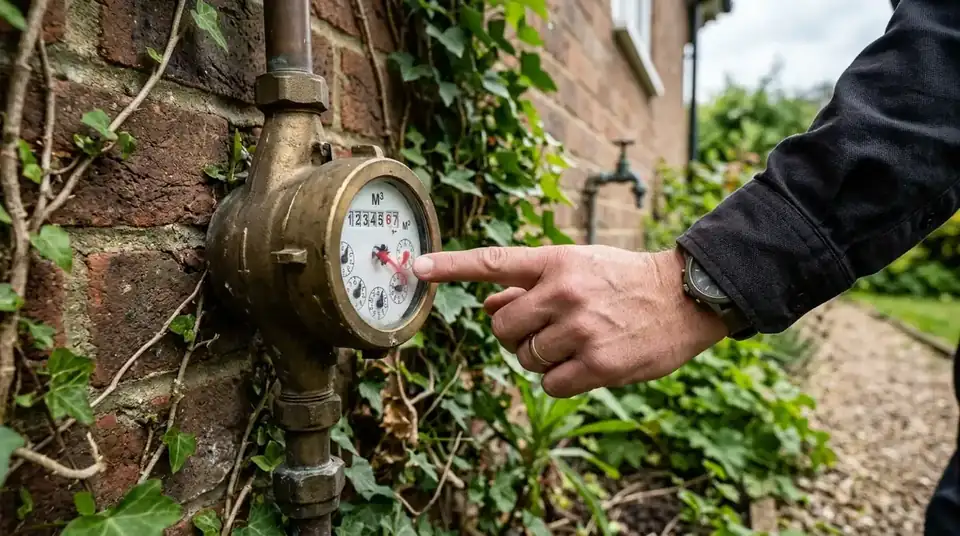
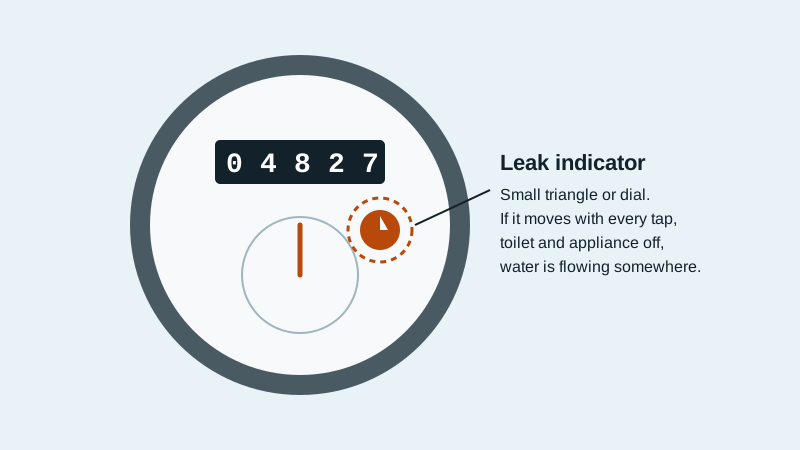
- Start with a meter test: if the leak indicator moves with everything off, water is escaping.
- Check toilets, irrigation and the water heater first; they cause many 'hidden' leaks.
- In Lynnwood homes, crawl spaces are a common place for unnoticed drips.
- A professional search isolates lines step by step, then pinpoints the leak.
- If water is spreading, shut off the main valve before calling.
Last reviewed October 22, 2026
When a hidden leak investigation makes sense
- Your bill went up noticeably and your water use didn't change.
- The meter's leak indicator moves with every faucet, toilet and appliance off.
- You hear water running in a wall, floor or crawl space.
- There's a musty smell or rising humidity with no visible water.
- The utility sent a high-usage notice.
Check these first
Many "hidden" leaks turn out to be in plain sight. Before you book, it's worth ten minutes to rule out the common ones:
- Toilets. A flapper that doesn't seal can waste a lot of water silently. Put a few drops of food coloring in the tank, wait 15 minutes without flushing, and look for color in the bowl.
- Irrigation. Turn off the sprinkler supply and see if the meter stops.
- Water heater. Check the relief valve drain line and the base of the tank.
- Outdoor faucets and hoses, including ones with frost-damaged pipes behind the wall.
- Water softener or filter systems that may be cycling constantly.
Our step-by-step meter check shows how to narrow it down to inside or outside the house.
Where hidden leaks are found in Lynnwood homes
Crawl spaces
Many older Lynnwood houses have crawl spaces. A drip from a supply line or drain fitting can soak the vapor barrier and insulation for months before anyone looks. Through the wet season, it can also be hard to tell plumbing water from groundwater. A crawl space check looks for active drips, wet insulation, staining on joists and standing water, then tests lines to confirm the source.
Under floors
On a slab, leaks hide under the concrete. See slab leak detection. On framed floors, water may collect on the subfloor under cabinets, tubs or appliances.
Inside walls and ceilings
Supply lines, drain lines and shower valves inside walls can leak slowly. See wall and ceiling leak detection.
Outside the house
If the meter still moves with the house valve closed, the leak is on the buried service line. See water line leak detection.
How a hidden leak investigation works
Measure
The meter is watched with everything off to see how fast water is flowing.
Isolate
Valves are closed in sequence to split the system: outside vs. inside, hot vs. cold, branch by branch.
Inspect
Fixtures, crawl space, water heater and visible plumbing are checked; moisture meters and thermal imaging scan suspect areas.
Pinpoint
Acoustic equipment narrows down the location on the leaking line, and findings are explained.
What affects how long it takes
Very slow leaks, multiple small leaks, a lack of working shut-off valves and hard-to-reach crawl spaces all add time. If your home has no way to shut off individual sections, the technician may need to test larger parts of the system at once. Being ready to point out the main valve, water heater and crawl space access saves time.
Shut off the main water valve first, then call. Turn off power to any area where water is near outlets or appliances.
Hidden leaks and your Lynnwood water bill
Most hidden leaks in Lynnwood are first noticed on the water bill. City of Lynnwood customers are billed by City of Lynnwood Utility Billing, while many nearby unincorporated addresses with a Lynnwood mailing address are served by the Alderwood Water & Wastewater District. Both offer leak adjustments for repaired leaks on the customer side of the meter, so keep records of the detection visit and the repair.
If your usage jumped without a change in habits, run the meter test first, then read our high water bill checklist. When the meter confirms water is escaping but you can't see where, that is the point to call for leak detection in Lynnwood. Not sure whether your address is covered? See the service area page.
Hidden leak questions
How much water does a small leak waste?
Even a slow, steady leak adds up over a billing cycle. Your meter can show the actual rate: note the reading, wait an hour with no water use and read it again.
Could the meter itself be wrong?
It's possible but less common. If tests show no leak and usage still looks wrong, ask your water utility to check the meter.
Can I get a bill adjustment?
Lynnwood-area water utilities offer leak adjustments for repaired leaks on the customer side of the meter. See our leak adjustment guide.
Think you have a hidden leak?
Call and describe the symptoms. You will get straight answers about what testing involves and what it may cost before anyone visits.